
Radon Gas Abatement in Lake County, IL
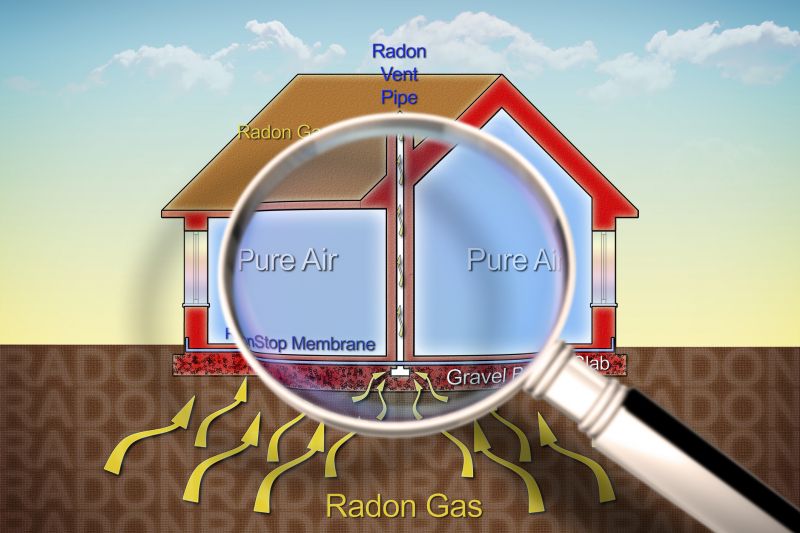
Radon gas abatement services focus on reducing indoor radon levels to promote healthier living environments for homeowners. These services typically involve assessing the property's current radon levels, designing customized mitigation systems, and installing venting solutions that safely redirect radon outdoors. Projects can range from sealing basement cracks to installing sub-slab depressurization systems, especially in homes built on radon-prone soil. Property owners often seek information about the effectiveness of radon mitigation, the scope of work involved, and the potential impact on their home's ventilation and safety before requesting services.
Homeowners interested in radon gas abatement usually want to understand the specific methods used to lower radon concentrations, the areas of the property that may require intervention, and any necessary ongoing maintenance. It’s common to inquire about initial testing procedures, how the mitigation system will be integrated with existing structures, and the expected results. Ensuring that radon levels are kept within safe limits is a primary concern, making it important for property owners to gather detailed information about the process and what to expect during and after the installation.
Many property owners in Lake County, IL look into Radon Gas Abatement for repairs, replacements, upgrades, and appearance-related improvements.
Radon Risk Reduction
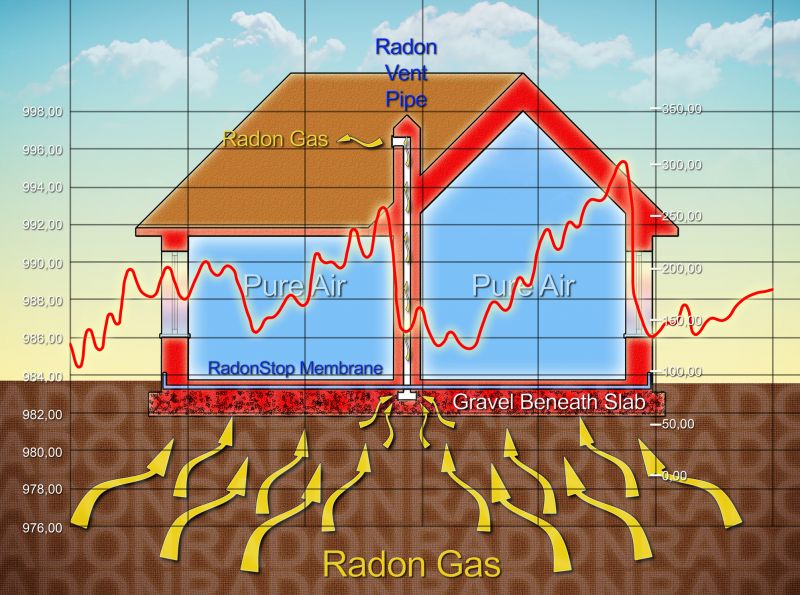
Effective mitigation methods help lower radon levels in residential and commercial properties.
Home Radon Testing
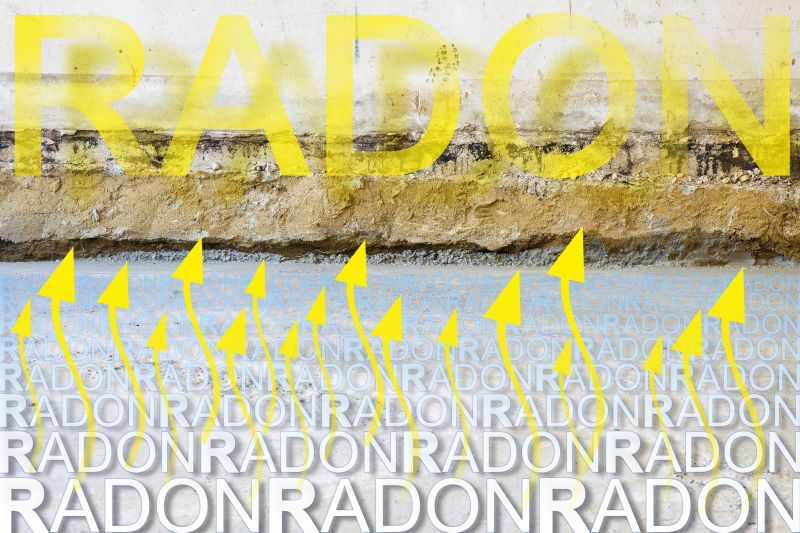
Testing your lake county property can identify radon issues before they become health concerns.
Mitigation System Installation
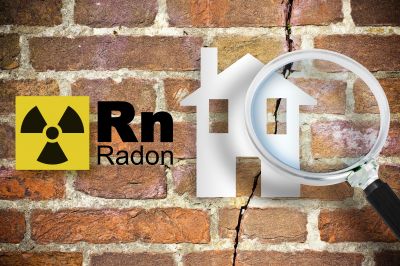
Professional installation of radon abatement systems ensures safe indoor air quality for homeowners and tenants.
Radon Gas Abatement in Lake County, IL

Radon gas abatement services focus on reducing indoor radon levels to promote healthier living environments for homeowners. These services typically involve assessing the property's current radon levels, designing customized mitigation systems, and installing venting solutions that safely redirect radon outdoors. Projects can range from sealing basement cracks to installing sub-slab depressurization systems, especially in homes built on radon-prone soil. Property owners often seek information about the effectiveness of radon mitigation, the scope of work involved, and the potential impact on their home's ventilation and safety before requesting services.
Homeowners interested in radon gas abatement usually want to understand the specific methods used to lower radon concentrations, the areas of the property that may require intervention, and any necessary ongoing maintenance. It’s common to inquire about initial testing procedures, how the mitigation system will be integrated with existing structures, and the expected results. Ensuring that radon levels are kept within safe limits is a primary concern, making it important for property owners to gather detailed information about the process and what to expect during and after the installation.
Many property owners in Lake County, IL look into Radon Gas Abatement for repairs, replacements, upgrades, and appearance-related improvements.
Common Radon Gas Abatement Jobs
Radon mitigation systems - installation of systems to reduce radon levels inside homes.
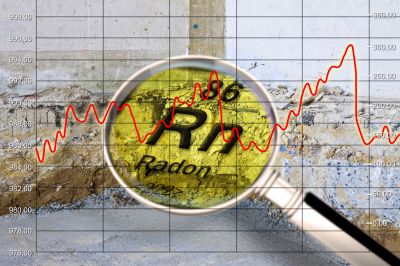
Basement radon testing - assessing indoor air quality to identify elevated radon levels.
Foundation sealing - sealing cracks and openings to prevent radon from entering the property.
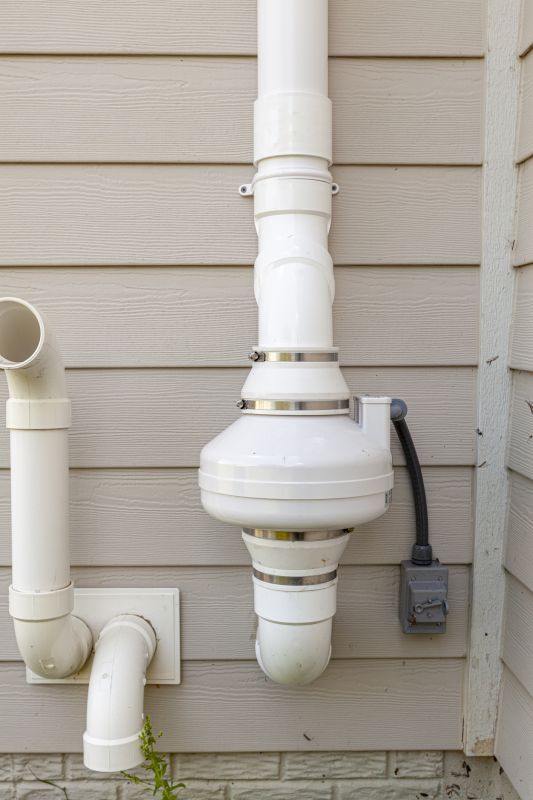
Sub-slab depressurization - installing venting systems beneath the slab to vent radon outdoors.
Radon barrier installation - applying barriers during construction to block radon entry.
Indoor air quality improvements - implementing solutions to maintain safer radon levels indoors.

Radon Gas Abatement Questions
What is radon gas abatement? Radon gas abatement involves reducing radon levels in a property to improve indoor air quality and safety.
When should a property owner consider radon mitigation? Radon mitigation is recommended if radon testing shows levels above safety guidelines or during property renovations.
How does radon gas enter a home? Radon typically enters through cracks in the foundation, gaps around pipes, and other openings in the building’s lower levels.
What are common radon abatement methods? Common methods include installing vent pipes and fans to redirect radon away from the building and sealing entry points.
Request Radon Gas Abatement in Lake County, IL
Use the quote form on this page to share the basics of your project and request more information for the type of work you need.